
When caring for an elderly loved one, understanding the difference between ADLs and IADLs can help you make informed decisions about their care needs. These two categories—basic ADLs and IADL activities of daily living—help caregivers and medical professionals assess how much support someone may need to live safely and independently.
If you’re new to this terminology, don’t worry. We’re here to break it down in a way that’s easy to understand. Read our first blog on understanding what ADLs are here »
What Are ADLs?
ADLs, short for Activities of Daily Living, refer to the basic ADLs a person needs to perform each day to take care of themselves. These are often the first areas of life that become challenging for seniors as they age.
Basic ADLs include:
- Bathing and showering
- Dressing
- Eating (including feeding oneself)
- Using the toilet
- Transferring (e.g., getting in and out of bed or a chair)
- Walking or mobility
When someone struggles with one or more of these ADLs (activities of daily living), it’s often a sign that additional care or assisted living services are needed.
What Are IADLs?
ADLs refer to personal self-care tasks, while IADLs (Instrumental Activities of Daily Living) involve more complex tasks necessary for independent living.
IADL activities of daily living include:
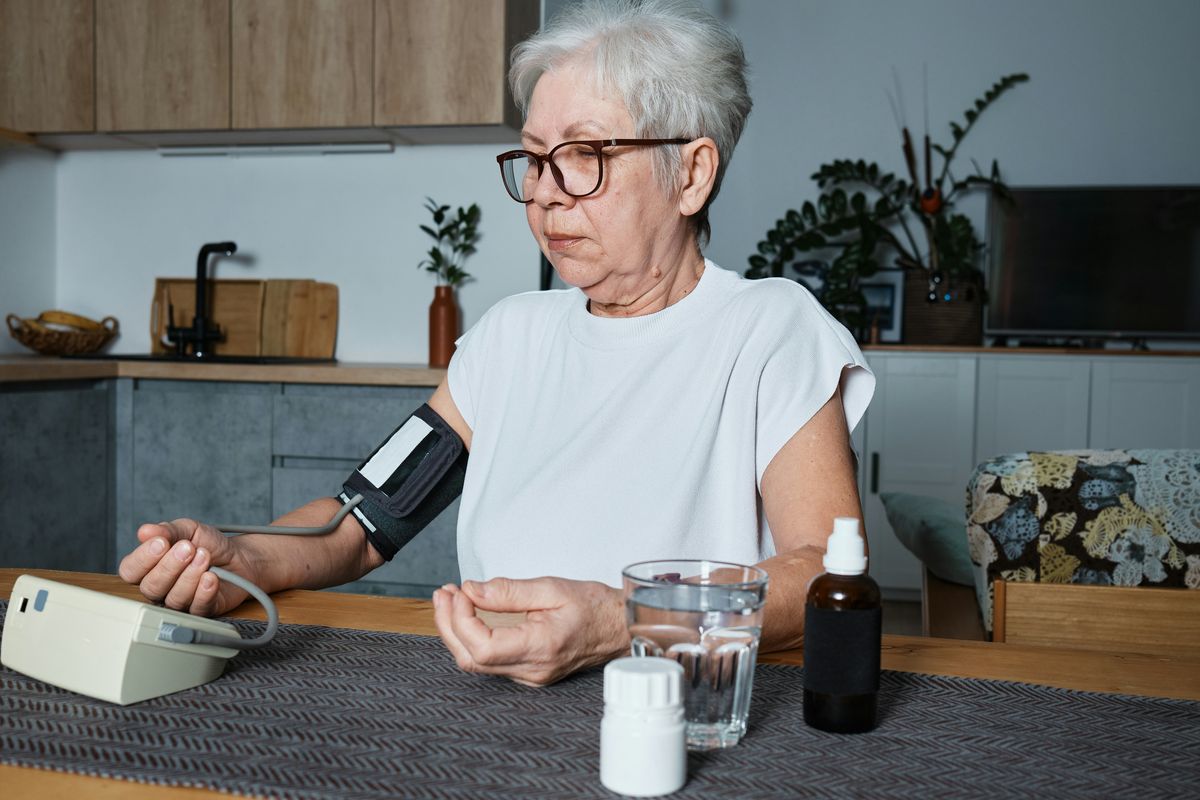
- Managing medications
- Preparing meals
- Handling finances (e.g., paying bills)
- Shopping for groceries and personal items
- Housekeeping and laundry
- Using transportation or driving
- Communicating via phone or technology
Many seniors may be able to handle their basic ADLs but struggle with one or more IADL activities of daily living, especially if they have memory loss, vision issues, or limited mobility.
ADLs and IADLs in Senior Care
Professionals use ADLs and IADLs to evaluate how much assistance a person needs. This information is essential when:
- Determining eligibility for certain programs (like Medicaid)
- Creating a care plan for assisted living
- Making decisions about in-home support, adult day care, or residential care
Understanding both basic ADLsand IADL activities of daily living allows families to better plan for the future. It helps identify what kind of support is needed—whether it’s occasional help with errands or daily assistance with personal care.

Common Signs Your Loved One Needs Help
If you’re not sure whether your parent or loved one needs help with ADLs or IADLs, here are some signs to watch for:
- Wearing the same clothes for several days
- Unopened or expired medications
- Spoiled food in the fridge
- Stacks of unpaid bills
- Missing medical appointments
- Poor hygiene or body odor
- Increased forgetfulness or confusion
Recognizing these ADLs and IADLs signsearly can prevent accidents, health risks, or emotional distress later.
Why Knowing ADLs and IADLs Matters for Families
Understanding ADLs and IADLs empowers families to:
- Advocate for their loved ones’ needs
- Access the right level of care and support
- Qualify for long-term care coverage
- Plan proactively rather than react to emergencies
If you're unsure where your loved one stands, a simple assessment done from a medical professional can help determine the right next steps.
How Empower Center Care Can Help
At Empower Center Care, we provide customized support based on your loved one’s unique needs. Whether they’re struggling with basic ADLs like bathing or need assistance managing IADL activities of daily living such as cooking and transportation, our team is here to provide compassionate, respectful care. Check out our Assisted Living Services to learn more »
If you think your loved one may need help with ADLs or IADLs, we’d loved to have a conversation on your loved one’s current challenges. We’ll walk you through the process, answer your questions, and create a plan that’s right for you and your loved one. Schedule a consultation today »